Optimal Timing for Gravel Deliveries
Timing for gravel deliveries depends on various factors including weather conditions, project schedules, and availability. Planning deliveries during dry periods helps ensure the gravel remains in optimal condition for use. Spring and early summer often provide favorable conditions, but specific timing should consider local climate patterns and site readiness.
Dry weather minimizes delays and ensures gravel remains stable and easy to work with during delivery and application.
Coordinate deliveries with project timelines to avoid storage issues and ensure materials are available when needed.
Spring and early summer are typically ideal, but late summer and early fall can also be suitable depending on local climate.
Ensure the site is prepared and accessible, avoiding periods of heavy rain which can cause muddy conditions and delivery challenges.
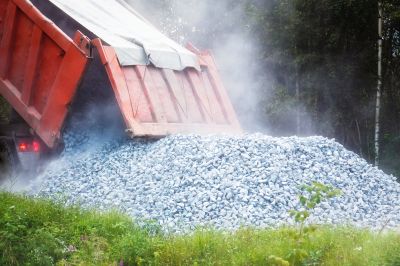
Ways to make Gravel Deliveries work in tight or awkward layouts.
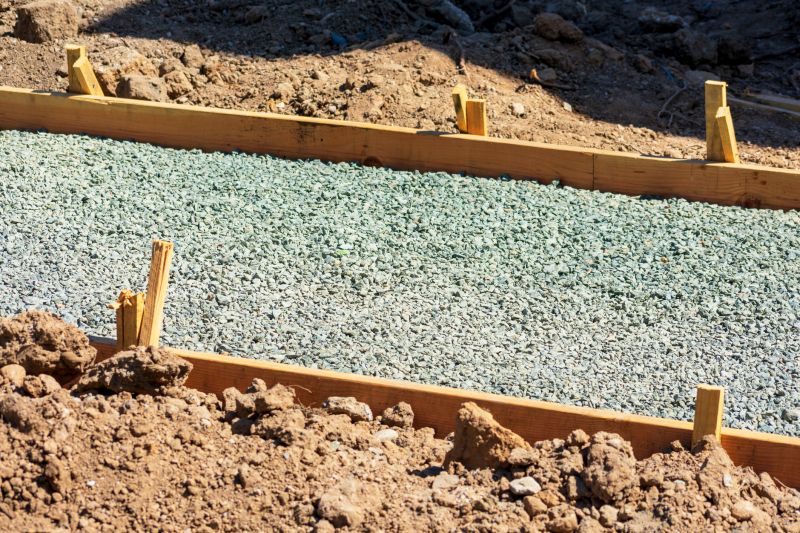
Popular materials for Gravel Deliveries and why they hold up over time.
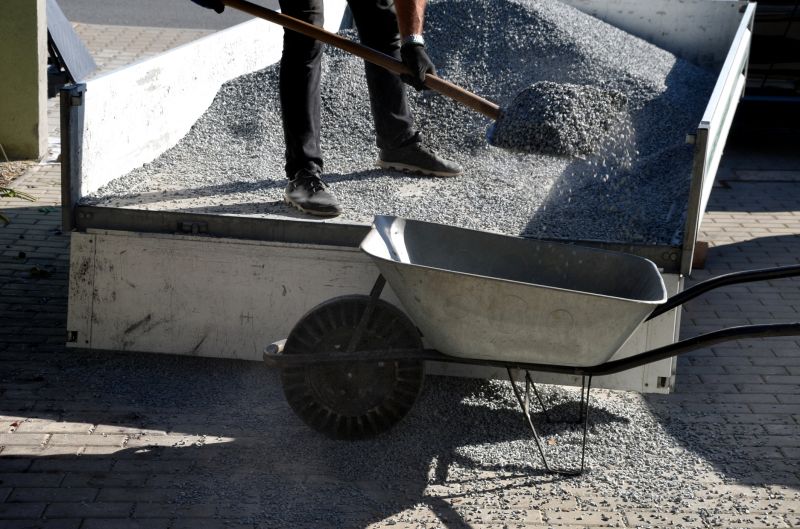
Simple add-ons that improve Gravel Deliveries without blowing the budget.
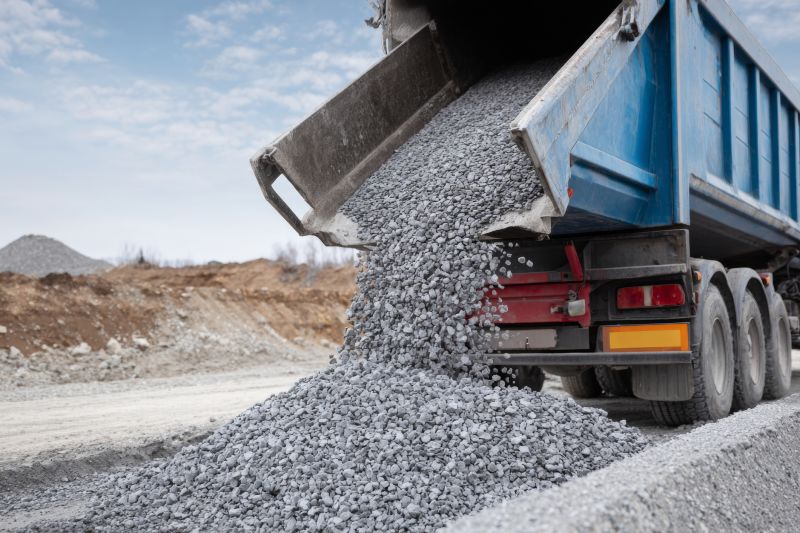
High-end options that actually feel worth it for Gravel Deliveries.
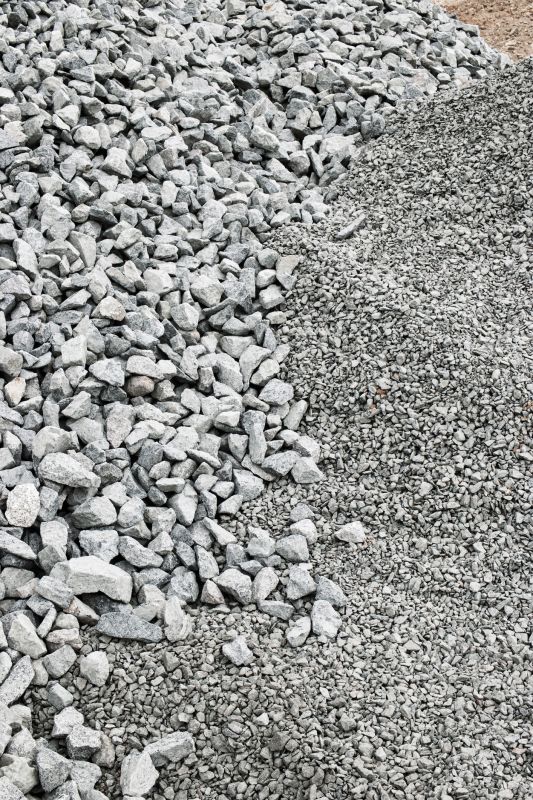
Finishes and colors that play nicely with Gravel Deliveries.
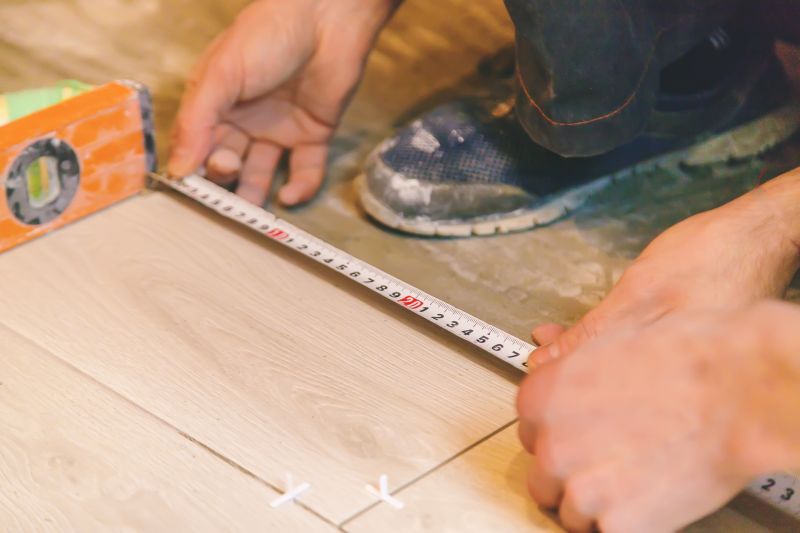
Little measurements that prevent headaches on Gravel Deliveries day.
Gravel deliveries are a critical component in construction, landscaping, and roadwork projects. Proper timing ensures materials arrive in good condition, facilitating smooth project progress. Delivery schedules should be coordinated with weather forecasts and site readiness to prevent delays and complications. Typically, dry and stable conditions are preferred, reducing the risk of delivery issues and material degradation.
| Season | Advantages |
|---|---|
| Spring | Favorable weather, moderate temperatures, and dry conditions facilitate deliveries. |
| Early Summer | Longer daylight hours and generally dry weather support efficient delivery and application. |
| Fall | Cooler temperatures and less rain can be suitable, but weather variability should be monitored. |
| Winter | Generally not recommended due to potential snow, ice, and muddy conditions that hinder delivery. |
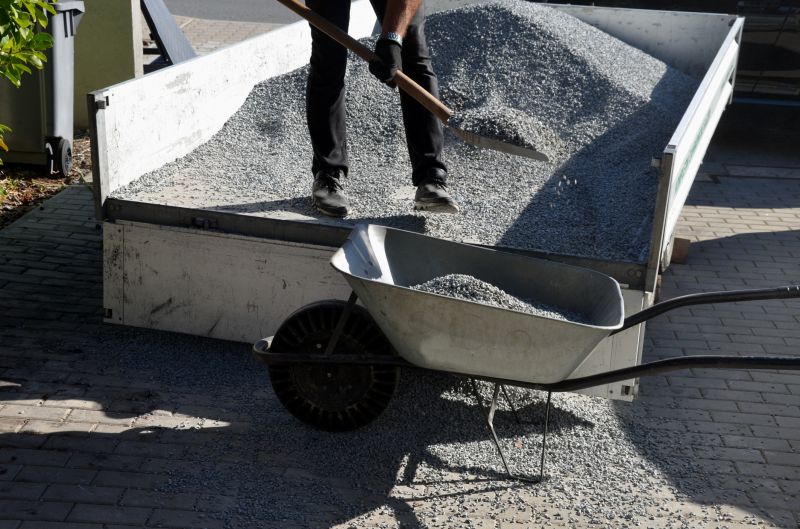
A 60-second routine that keeps Gravel Deliveries looking new.
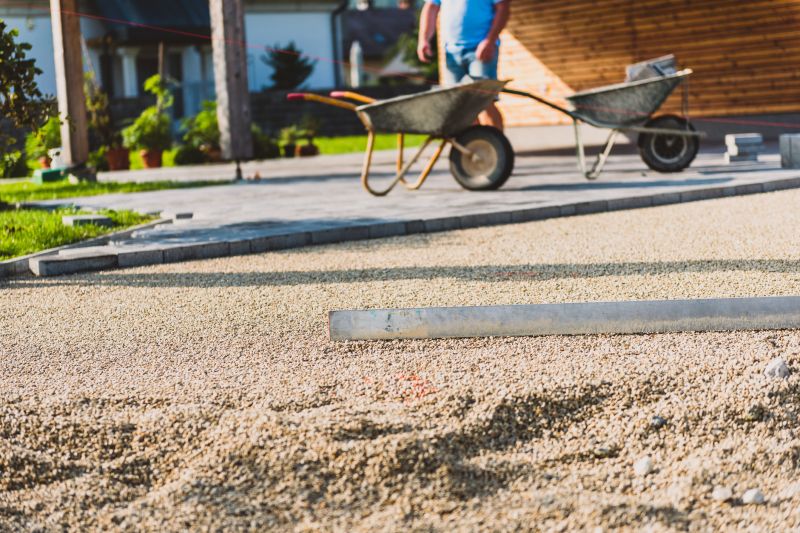
A frequent mistake in Gravel Deliveries and how to dodge it.

Small tweaks to make Gravel Deliveries safer and easier to use.
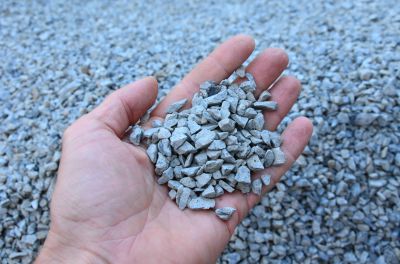
Lower-waste or water-saving choices for Gravel Deliveries.
Understanding the optimal timing for gravel deliveries can significantly impact project efficiency and cost. Proper planning involves assessing weather forecasts, project timelines, and site conditions. Early coordination with suppliers ensures materials are available when needed, reducing downtime and logistical issues. Continuous monitoring of weather conditions can help adjust schedules proactively.
For assistance with scheduling and planning gravel deliveries, fill out the contact form to connect with experienced providers.